Search This Blog

Saturday, September 23, 2006

Greetings from Tunisia


If you all are like I was, you probably don't even know where Tunisia is so first lets have a little geography lesson. Tunisia is located on the Mediterranean Sea in North Africa. It’s nestled between Algeria and Libya in the center of the northern coast.
It might make it easier to hear that it’s just South of Sicily, 80 km across the water. It is an Arab country that is 99% Islamic. Being only about the size of Washington State it’s an easy journey from the beach to the desert. In fact the southern end of end of the country in is the mighty Sahara Desert.

It’s a former French colony and its capitol, Tunis, has all the swish and style the French could breed into the Tunisians. I'm sure they have never heard the word metro sexual but these men define it with deep dark eyes and intense smokey looks wrapped with a stylish haircut and clothes. There are beauty parlors on every corner.

Tunis oozed of the memories of it's French past with a main boulevard lined with sidewalk cafes where people wile the day away over a cup of coffee and a pastry. Its all about watching people and they view is fabulous.

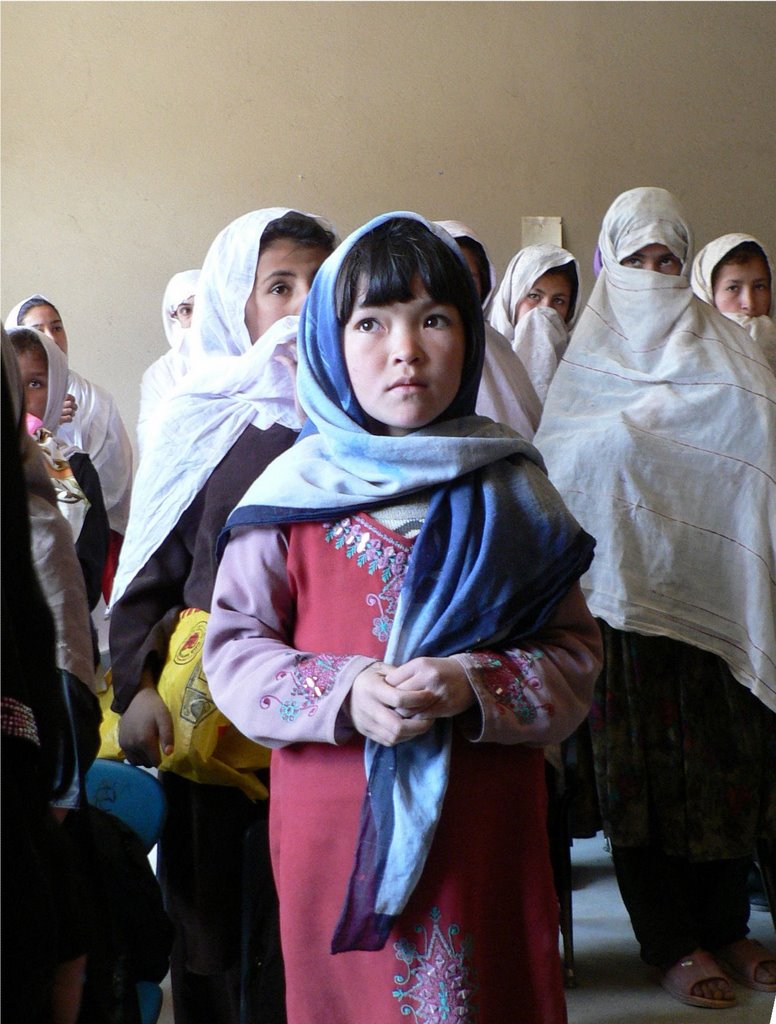
The women here are not typical Islamic starters. This is because in 1956, when Tunisia declared independence from the French, their first leader worked hard to create a secular state and reduce the power of religion. He stripped the powers of the Imams by eliminating religious madrassas (schools), gave women new rights and appealed to them to take off their veils. (more on this in my blog) Now about 30% of the women in Tunis are covered but the others are stylish and most definitely uncovered!

My friends who I visited there are concerned because they believe that more women are veiling these days. No one is talking about it, but they speculate that it is a political statement to support Lebanon and other Islamic struggles. Or perhaps a reaction to the French not letting the girls wear headscarves in school in France, as many Tunisians live in France for periods
of time and then return home. The worry is that fundamentalism is rearing its ugly head. For now though this is a "good" Islamic state and I have been bopping around alone with no problem except perhaps if you call brushing off handsome men a problem?! : )

Tourists come to Tunisia to enjoy it's vast beaches, but I'm not fond of beaches so I headed out to the Southern part of the country to see the desert. I was able to experience oasis' that pop out of the hard flat desert from nowhere because of the underwater springs that feed them. Here they count the number of palm trees that an oasis can support rather than the
number of people. As date palms are a great source of wealth.

Dates and olive oil are Tunisia's two finest products and all of their land is lined with one or the other unless is rolling sand dunes. During the Roman Empire trade times these products made the country to very rich and today they manage to still keep their people well off. I even heard that they have 65% middle class. I'm still not really sure how they maintain their economic status, but the wealth has provided money for a solid infrastructure, which is certainly good for travel.

You might be wondering why I chose to come to Tunisia, so maybe now is a good time to tell you. As I have previously stated beaches bore me but something fascinates me about Islam and as a women alone there are not that many Islamic countries that I can go alone. I also met a friend on my Afghan trip who lives there and teaches at the American School in Tunis. She
and I had many long conversations about the state of the world while we were in Kabul and I still had more to say. So I have spent the last two weeks traveling the country and spending time in Tunis with her and her husband for a varied set of experiences.

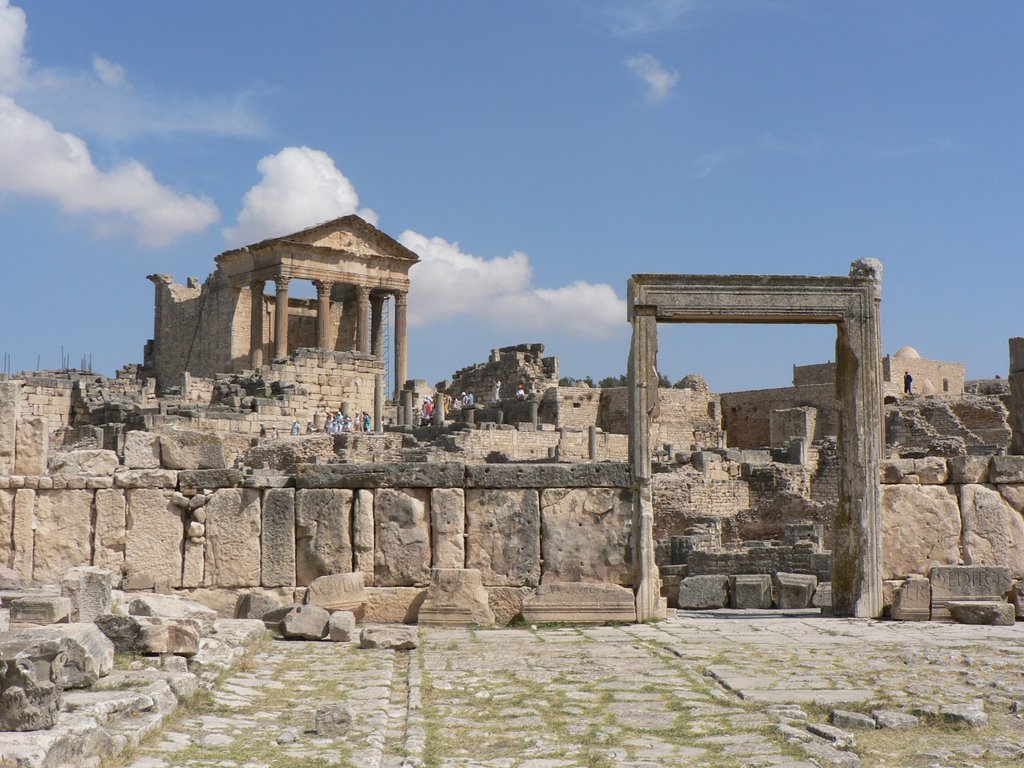
Tunisia was a major crossroads of empires. The Phoenicians, the Romans, the Vandals and the Byzantines, the Arabs, the Ottoman Empire and then finally the French lived on its shores. The country is covered with ruins that tell its history. Carthage, the Phoenician capitol is its largest and most famous, was largely destroyed by the Romans and then rebuilt
in their style. Dougga and El Jem are large well preserved Roman sites. Dougga perched upon vast hillside surroundings, perhaps saved because of its distance from the coast and other development, and El Jem, a coliseum, towering over the modern town that surrounds it. It is said that it may be the best preserved coliseum, even better than Rome.

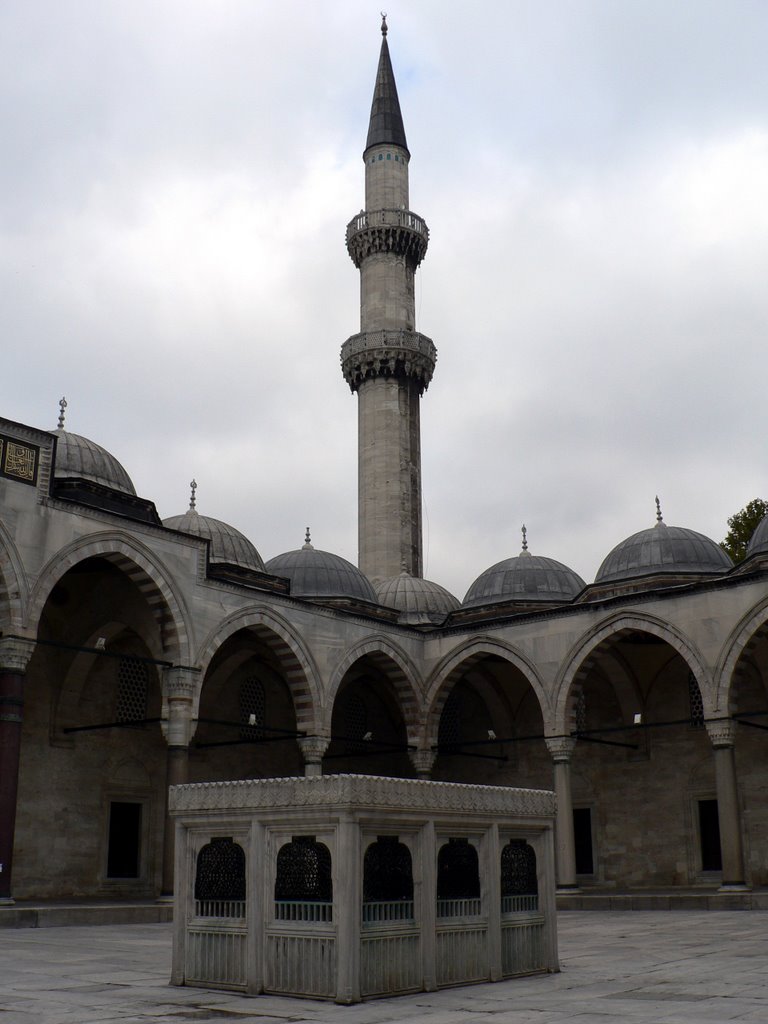
Remnants of the Ottoman influence rise about the roofs with the octagonal minarets on the mosques that look distinctly different from the square Tunisian Arab ones. Ottoman tile work covers some of the famous Islamic pilgrimage sites. Religion plays a role in Tunisian history, past and present, too. Kairouan, one of their towns, houses the forth holiest site for
Islam behind Mecca, Jeruselem and Medina. The belief was that the site was connected by underground springs to Mecca when one the the Arab conquerors found a silver cup he had left in Mecca and promptly built a mosque at its site. Now 7 pilgrimages to Kairouan can take the place of one's one time in a life trip to Mecca.

Islam definitely fascinates me. Hearing the echoing of the call to prayer shouted from minarets above the city rooftops moves me to seek more information. I constantly yearn to understand how we can live in the world together and begin to communicate and understand each other. That being said, the conversations I was able to have in this moderate country show that the gap is growing. The war in Iraq infuriates them. I was told that Osama Bin Laden was not one of them, but the
Western action of killing children in Iraq only makes them want to join him. Lebanon to them is the first major victory of Islam over the West and the belief is strong that Islam is right and will be victorious in the end. I'm still not sure exactly what they mean.

All in all Tunisia is an interesting mix of ancient and modern. Horse carts ride the roads besides cars. Some people wear Western clothes while others stick to their traditional dress. The vast desert leads to open blue sea. History flows from its pores and one can't help but get carried away into the time of great empires. Seeing yet another culture only reminds me
what a vast world we live in and reminds me how lucky I am to see it.


And here are some photos to illustrate my journey:

http://www.kodakgallery.com/gallery/sharing/shareRedirectSwitchBoard.jsp?token=8646286610105%3A1647476945&sourceId=533754321803&cm_mmc=eMail-_-Share-_-Photos-_-Sharee

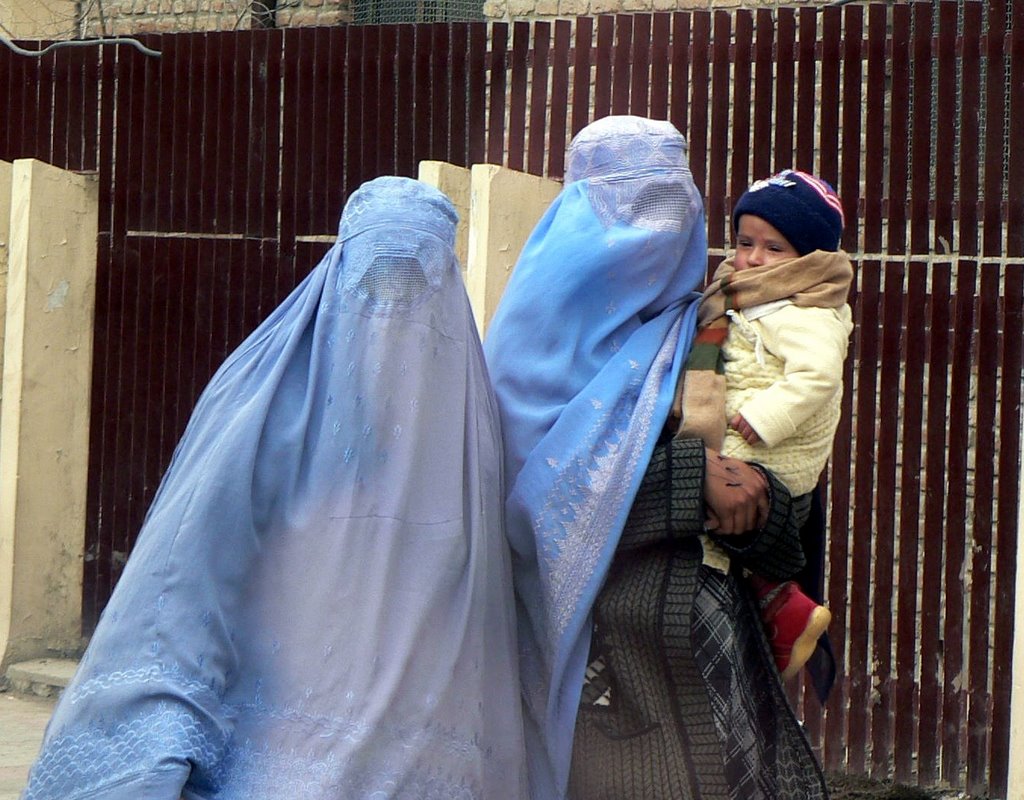
(Please realize that although there are many women who are unveiled I am sharing photos of the many
traditional dresses of Tunisia and therefore showing many veiled women.)

Friday, September 15, 2006

Tunisia: Traveling by louage


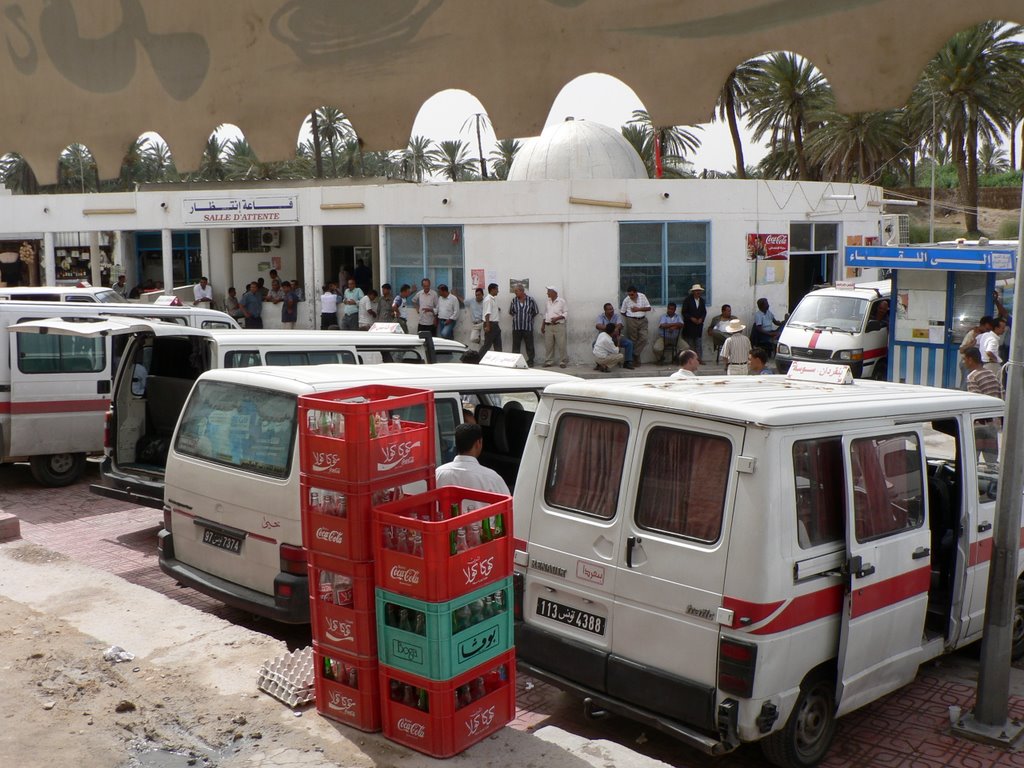
There is one thing about Tunisia that I especially like. As a single traveler it is easy to get from place to place. They have set up a system of shared taxis that runs smoothly and cheaply.

Basically the way a louage works is that there are these huge parking lots full of white vans and station wagons and they each have a role of driving to and from an assigned location.

I arrived to this chaos knowing my destination and listening to many men yelling their destinations. There is a order to this chaos though, as I mumbled my destination shyly I am quickly pushed off to the very very back of the lot. Some driver nods and says he is going there. So far there are no other drivers so he asks if I want a coffee and leaves. I, of course, feel know I have to wait alone in this isolated place till the van fills up and feel like I will be waiting there for hours when suddenly minutes later six other people arrive and we are on our way. Its amazing! And in two hours I am in Karouaun.

The system has worked seamlessly for me all around the country. It makes it easy and cheap to travel alone.

Tuesday, September 12, 2006

Tunisia: 9/11 in an Islamic Nation

Spending the five year anniversary of 9/11 in Tunisia, a secular Islamic nation opened me up for even deeper reflection about the direction the world is heading in. I am here visiting a friend I met while visiting Afghanistan. We have spent many hours thinking about the fundamentalism that is spreading around the world and how the failures in US foreign policy are only making things worse.

Tunisia is a model Islamic nation. At the time of their colonial independence from France, their first president set out to Westernise and modernise the country. He saw Islam as a force that was holding the country back, so he set about reducing the role religion had in society. He outlawed religious schools, thus cutting off religious leaders power. He also abolished sharia'a (conservative Quranic laws) courts. He importantly also gave women rights. He ended polygamy and gave women the right to divorce. He banned the veil in schools and started a serious campaign to end the wearing of a garment he regarded as demeaning.

Today the changes are very visible. Women in Tunis, the capital city, largely go without veils and look empowered and down right glamorous! (Of course the French have a way of making everyone glam or as my mom says "swish"!) The girls have all the strength of NY girls. Around the rest of the country more women are veiled but few are fully covered which has become the norm in much of the Arab world.

But even here there is evidence of growing conservatism. My friends say many more women are veiling. They are not sure why but think that the Lebanon war may be contributing along with the no veils in school policy in France where many Tunisians spend time. Also it is said that the government has a zero tolerance policy for fundamentalism and if an iman speaks too conservatively he tends to disappear.

This country has one strong advantage to the other islamic nations in the world. I was told it was 65% middle class. With so little poverty people just aren't as angry. They have a benevolant authoritarian leader who makes good decisions on behalf of his people.

The saddest part of 9/11 is that many Islamic nations have used it and the US's reaction to it to deflect the anger of their people to their own governments. We have been raised as an even worse bad guy and that makes us all less safe.

Can't handle this French keyboard anymore so I must sign off.

Saturday, August 19, 2006

The Woodward Dream Cruise - Detroit

Detroit Michigan is the birthplace of the American car and thus where the ideals of a whole new suburban American came from. After multiple trips to Cuba, I fell in love with classic cars and their curves and there place in history. So when I heard that the largest classic car cruise happened annually outside Detroit in August I had to go.


The Woodward Dream Cruise Website


Tuesday, June 20, 2006

Don't just bitch and moan! Ways to help the Afghans now

This is a posting by a Sharon Jumper, who went to Afghanistan with me, that talks about organizations that do good work in Afghanistan.

http://www.dailykos.com/story/2006/6/6/104457/9699

Sunday, June 18, 2006

Afghanistan: The Threat of Insecurity is holding backing the Strides of Progress

Afghanistan is at a crossroads. The US led coalition forces have not been able to secure the countryside and continued heavy fighting in the South and North is preventing real progress to reach the whole country.

After over 25 years of war Afghans are tired of fighting. While the Taliban was a strict authoritarian governing system the one thing they represent is security. Under their rule the country became safe again. Opium production was brought to a halt and the warlords were largely silenced in parts of the country that the Taliban controlled.

Under the US-led-coalition-forces a much more complicated reality has set in. In order to fight the war of terrorism, the coalition joined with the warlords in the outer regions, ignoring their human rights abuses and flagrant abuse of power. These alliances have made it hard to create a strong central government, which is essential for long term security. They also have made it possible to raise opium production to larger numbers than have ever been see before.

Meanwhile a major change is happening in the war. Nato is taking control of the ground war. As opposed to Iraq, Europe is committed to the war in Afghanistan and with the recent rise in fighting has even agreed to double their forces in the volatile Southern provinces where fighting has heated up. The US on the other hand has said they will reduce the total number of troops they have in the country. This sends a bad sign at a pivotal time. The Taliban believe they can wait out the Western forces and retake control when the West pulls out.

The US has been constrained by Iraq. The forces in Afghanistan have been put on a strict budget. Focus was changed to Iraq when the Afghan situation still needed attention and so the half assed attention they are giving has not been able to secure the whole country and win the hearts and minds of the people.

I believe this is a crucial time for the US to show its commitment to the Afghan war because this is a war people really believe we could win and if we win we could stop the training of terrorists within its borders as well as, really begin to build a civil society there.

Sunday, April 02, 2006

Afghanistan thoughts


"The world is now a village. We cannot ignore the problems in one part of the world, for they will spread to other parts of the world." - Dr. Roshanak, a female member of Parliment from the Wardak Province, refering to the need to help Afghanistan rebuild and recover or their current culture of violence will spread back to us.

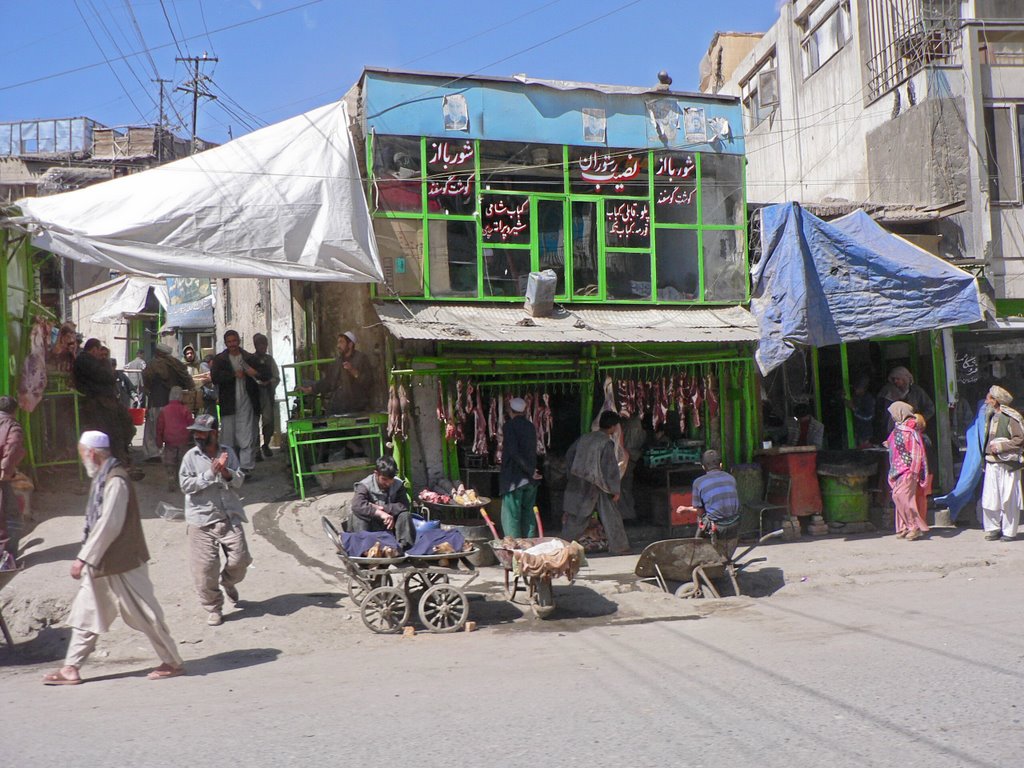
A Kabul Street

A Kabul street

Saturday, April 01, 2006

Reflections on Afghanistan

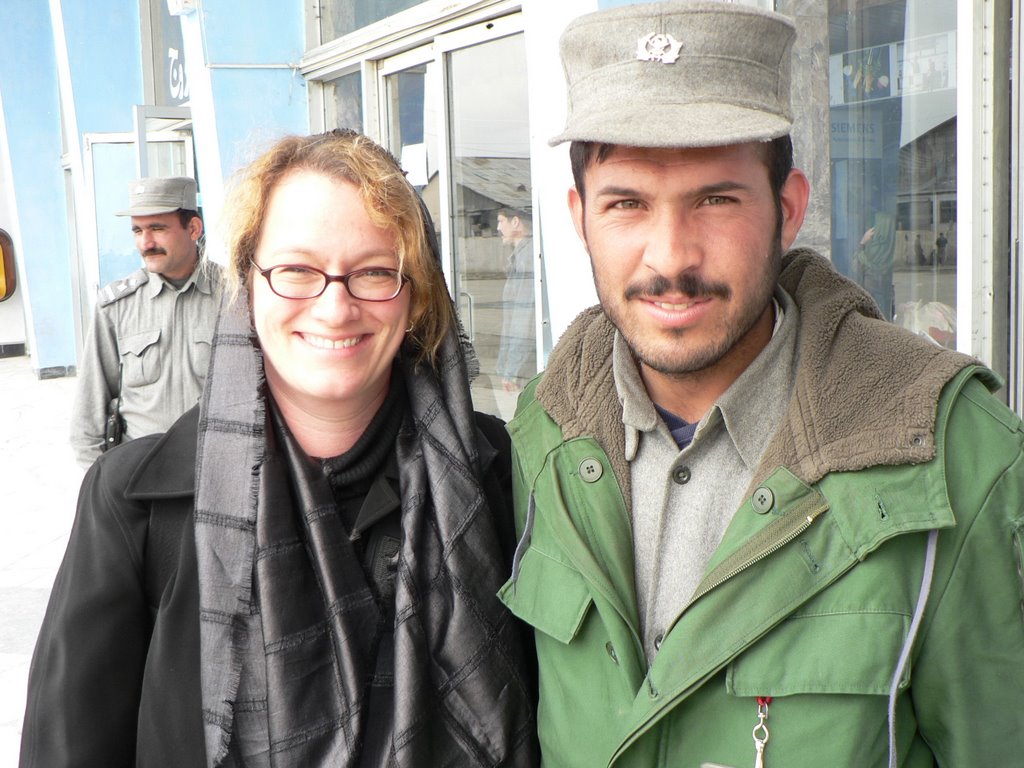
I just got back from one of the best trips of my life. Yes, for some of you its hard to believe that Kabul, Afghanistan could rate so high up in the tourism landscape, but if travel is a way to push oneself out of our daily routines and see how others live, places like Afghanistan are the best places to travel.
I traveled for two weeks to the other end of the world to learn about the status of women’s lives in the post-2001 Afghanistan. I went on a delegation of 12 people with a San Francisco based group called Global Exchange on what they call a "Reality Tour". Each day we met with brave hard working leaders to explore the many facets of life there. This meant exploring recovery from the devastation of over 25 years of war,

Thursday, December 01, 2005

Panama - December 2005


Panama is a country with many contrasts. Because of the Canal and perhaps the long term American influence, Panama City has become a major city. It is the banking capital of Latin American and the money shows. The city wraps around the Pacific Ocean and towering high rise apartments line the waterfront. The immensity and density reminded me more of Hong Kong than Latin America.

It has an old town that looks much like the French Quarter of New Orleans or Havana. For years it was left to rot as the modern part of the city grew. Trees invaded every corner, rooftop and windowsill breaking the walls down one by one. Panama City’s poor filled the tenement-like housing and the area was left to fall down, until visionaries saw the beauty and started the restoration process. What is being restored is a marvelous variety of architecture. Slowly restaurants are moving in as a huge effort to keep tourists safe from crime finds success.

As we were walking in the area, a policeman came up to us and asked us if we wanted a tour. He brought us into the station and handed us piles of tourist lit and we then set off for a tour of the sites. He took us into ornately restored government buildings and through plazas and cathedrals and regaled us with stories and history. Before leaving us he made sure we knew which areas were safe to walk in, since crime is still a major problem there.

The major site in Panama City is the canal. Building the 80 kilometer canal was a major engineering feat and a big victory for the United States, who took over after the French failed. From its opening in 1914 till the end of 1999, the United States controlled the canal and the Canal Zone, the strip of land the canal went through. Now Panama is proud to be in control and running it even more efficiently than the US did. It takes 10% less time for a ship to travel through now then it did in 1999. But even with this efficiency the canal is almost at capacity and efforts are being made to widen it and increase its capacity.

Watching these huge ships rise in the locks was amazing. I have a special place in my heart for freighters, since my grandfather owned a shipping company and I used to travel on his ships when I was young. Today they are much larger but so am I so the perspective is equally impressive.

Outside Panama City the landscape and the people change suddenly. Within a few minutes of driving over the Bridge of the Americas which rises above the entrance to the canal, we were on a long highway with nothing but waves of rolling mountains and countryside as long as our eyes could see. We were driving through ranching country and images of cowboys filled my head. Panama has a very small population of less than 3 million people, so there are large stretches of land that lies wild and untouched.

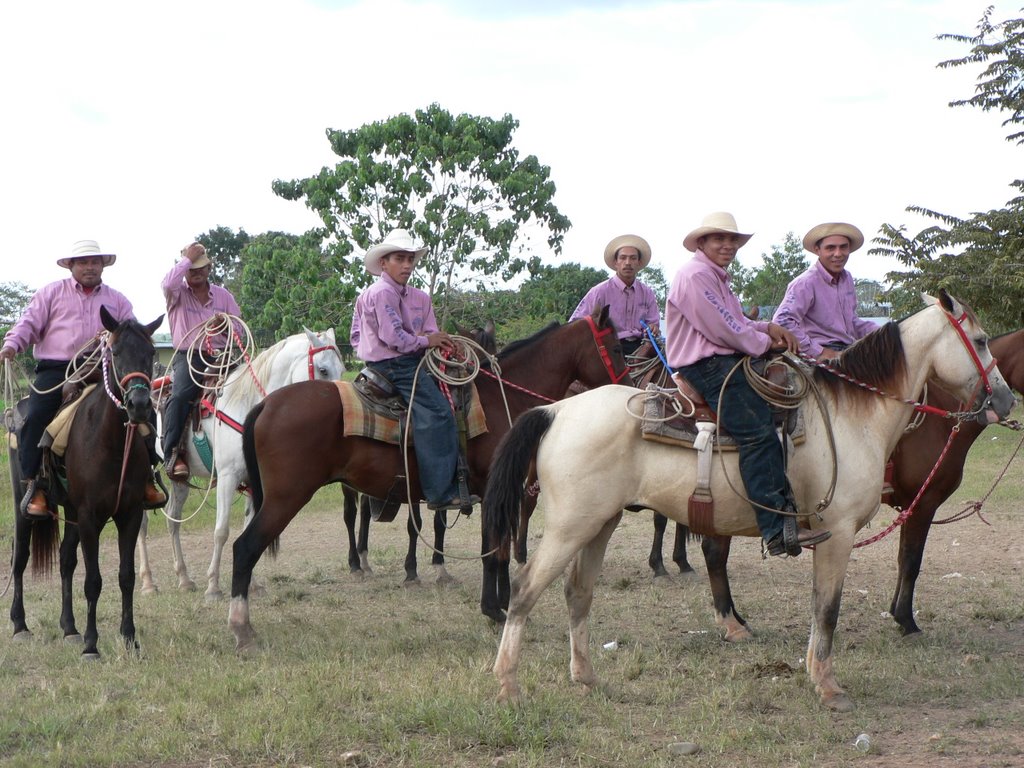
As luck would have it, we were driving along when we came upon a rodeo in full swing. Teams of men on horseback were competing at rustling steers. When the teams were done they would ride their horses right up to the bar to get a beer and spend the afternoon relaxing with their friends and family.

Here I had the best plate of chicken lo mien I’ve ever had. Yes, the Chinese have a big influence in Panama. They were brought in to build the Panamanian railroad before the canal was built and have stayed ever since. They make up 5% of the population, but seem even more visible than that because they run most of the shops and their diet has been widely adapted. Fried rice is available with almost every meal. American food has been widely adapted too. Hamburgers and hot dogs are available everywhere.

Our destination was Boquete, a small town up in the mountains. While much of Panama is low lying and thus hot and humid, this area has a perfect climate for most of the year, warm during the day and a slight chill at night. These mountain ranges are covered with ancient old growth cloud forest. I’m not sure if this differs from rain forest, since it is at a much higher elevation, but the same birds and animals live in this habitat.

Panama has vast areas of untouched land filled with wildlife and is rapidly becoming “the next Costa Rica.” We drove past 600 year old ash trees that towered high into the sky and were told that the forest is over 2 million years old. Panama has more bird species than all of North America combined and many Quetzals, the ornate bird that people search high and low for in Costa Rica. Unfortunately we were not there in season, but in January you can see 25 Quetzals in one tree in these forests.

One of the new outdoor activities in Boquete is to ride like Tarzan on zip lines through the roof of the forest. A truck drove us up high into the hills and we zipped down on 3 km’s of line over waterfalls, cliffs and lush green forest dropping over 1200 feet.

Boquete is coffee plantation country. The hillsides are all covered with coffee plants. In fact, a farm there was judged the number one coffee in the world earlier this year. We went on a coffee plantation tour and learned more than I’ll ever need to know about coffee, especially considering I don’t even really drink it. It was fascinating none the less and if I ever take on a coffee habit, I might know enough to be a real coffee snob!

Panama has 7 indigenous peoples and most of them maintain their traditional dress and culture. In Boquete, the Ngobe-Bugle come to pick the coffee and live in the area. Their bright colors really lit up this little town.

The big thing we noticed in this area was American real estate developers. Panama is eagerly welcoming American retirees and developers are creating McMansions throughout the hillside. Although we didn’t see many tourists, we did come across many developers as well as new residents who are changing the face of the area. We were told that within two years the population will be 65% American and I'm sure the main streets will look entirely different.

Development is visible everywhere. Many new expensive restaurants have popped up selling all kinds of food from Argentinean steaks to Peruvian seafood. The only thing that was hard to find was a Panamanian meal, but we did manage to find a few of the traditional buffet places and eat smoked pork and stewed chicken. Surprisingly the food most Panamanian’s seemed to want to eat was spaghetti and meatballs, though I never got around to trying it.

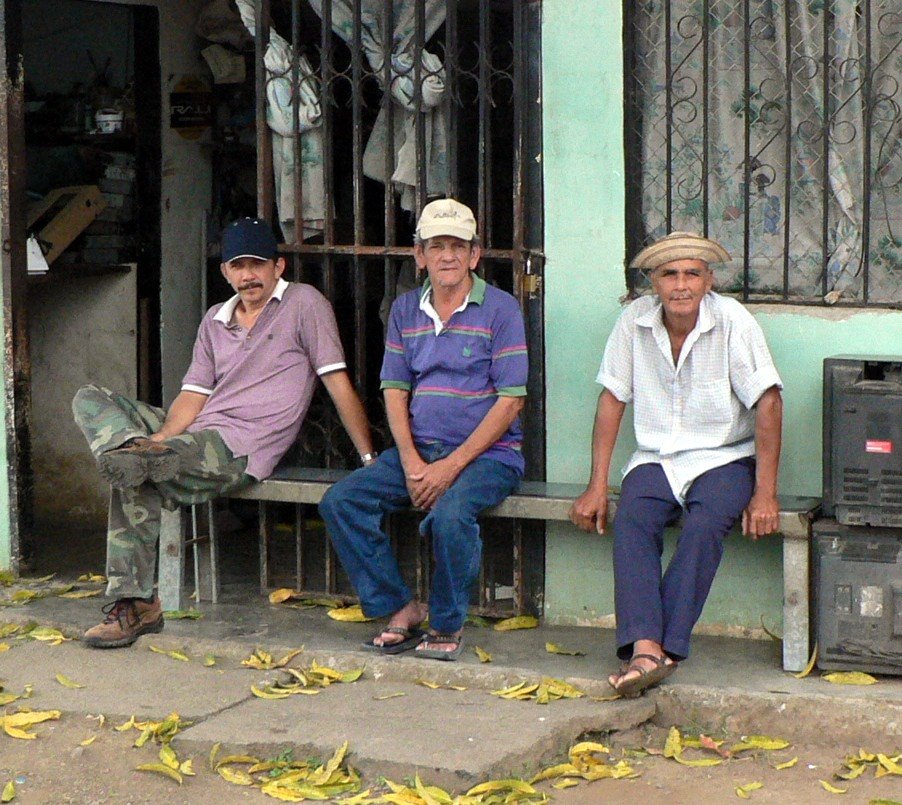
After a few days in the mountains, we were ready to head into the heartland, back to cowboys and ranching and the home of most of Panama’s culture. The Azuero Peninsula has a hot hilly landscape and is mostly untouched by the effects of modern life. Towns here look much like they did 100 years ago and life goes on as it did then. The men here wear their straw “panama hats” with the brows flipped up.

This area is off the tourist track so the locals gave us many curious stares. Panamanians in general seemed open and warm and in this area they were even more so. There was lots of waving out of the car and attempts to communicate but with limited Spanish and no English, mostly we could only smile and greet each other, though I’m proud to say my Spanish is better than I thought and I appreciated that they spoke slow.

The last stop on our journey was to the San Blas Islands on the Caribbean coast. This is the home of the Kuna Indians, who run a semi-automous state made up of almost 400 small palm covered islands that line the eastern coast down to Colombia. These indigenous people have been able to survive hundreds of years of conquests. It is thought that they survived European diseases by living on islands separated from the coast and to this day live a traditional lifestyle tightly packed on only 40 of the islands. Men work the on the mainland harvesting coconuts and bananas in the morning and fishing in the afternoon. Women sew molas, which are one of Panama’s most well known handicrafts. They are ornate quilt-like panels that feature traditional designs from Panamanian culture. At any time a large portion of the community is living in Panama City selling the molas to bring money in for their villages.

Getting there was quite a journey. We flew in a tiny plane to one of the islands with an airstrip and rode for an hour in a dug out canoe to arrive on Isla Tigre. This is one of the most traditional of the Kuna islands. 2000 people lived packed into small thatch huts. On one end of the small island, which couldn’t have been much more than a kilometer long, was our little hotel area.

To call it a hotel might be an exaggeration and completely incomparable to what many of you think of as a hotel. Really it was a few thatch huts with cement and sand floors, no electricity and a separate outhouse with a cold water shower and a no-flush toilet, with a big bucket of water beside it. Luckily there were two hammocks hung by the waterside so we could lie in the breeze and gaze at the palm trees, blue sea and rolling waves.

Across the way there was a little restaurant where we were able to get food and nice cold Panama beer, a vacation essential. Because of the total language barrier (Kuna people speak Kuna and some speak a tiny bit of Spanish) we mostly just ate what arrived on our plates. Chicken, fish, rice, fruit and vegetables that pretty much looked the same for every meal. Gourmet food hasn’t hit this place yet.

When I ordered a Coke the waitress wrinkled her nose in confusion and then said “soda?” and ran off. Moments later I was served a lime fizzy drink. Yes, this is the first place I’ve ever been that they didn’t even know what Coke was. Deep in the bush of Africa, you could pull up to any little stand and order a coke, but here nothing. It definitely made me feel that I had traveled way off the beaten path!

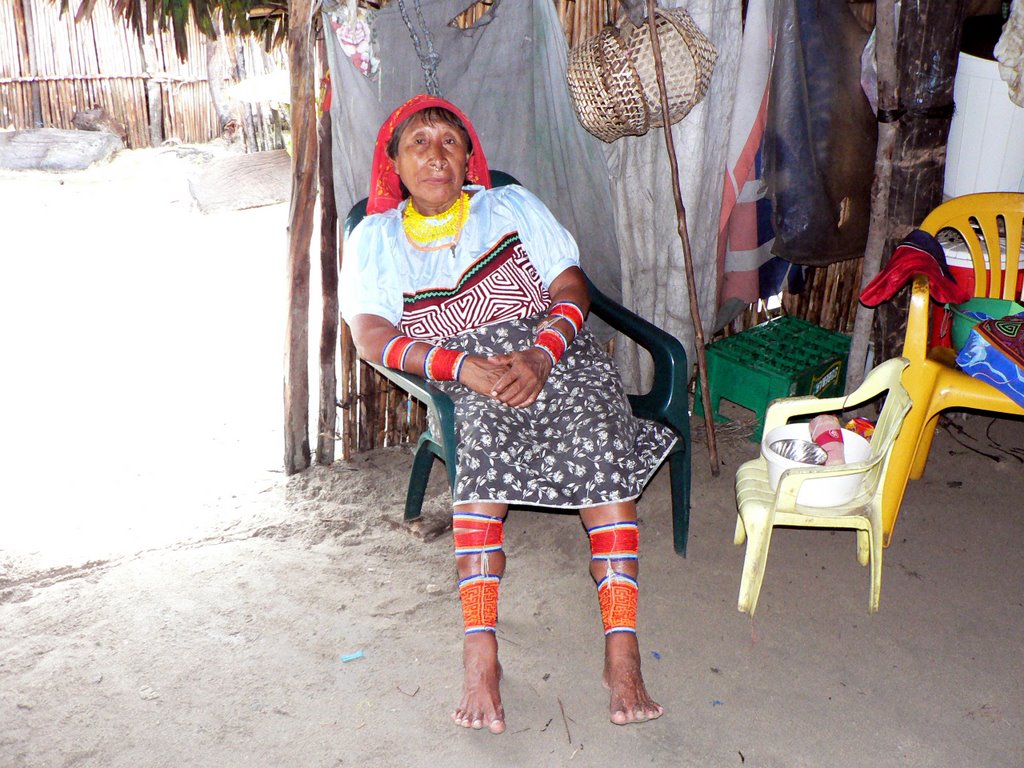
The best thing about being on Isla Tigre was the Kuna women. These women dress in traditional dress, which means, a shirt made out of an ornately patterned mola, a wrap around skirt of a totally different bright pattern, a bright yellow and red bandana wrapped around their head, a large metal nose ring and beads wrapped on their entire calves and forearms. Its quiet a sight! It’s a jumble of colors and patterns that isn’t seen often in other cultures and certainly not on the streets of New York.

Being in the San Blas Islands was different than most places one gets to travel, because we were really living among these people. Many times during our days there we walked the loop of the island and as time passed we were able to meet the locals and be introduced to their families. It’s always fascinating to me how despite not speaking the language one can communicate.
We were able to attend a traditional dance that has happened every Friday night for the last 50 years in the same square. The big change on our night was that they had installed a solar light that lit up the square for the first time. Everyone was buzzing about it.

Another lovely experience there was when a few of the children came up to my traveling companion, Grace, and asked to look at her Budget Travel magazine. They looked with awe at the many pictures of different places in the world. Their eyes lit up at the picture of icebergs!

After seeing so many places, it’s a bit hard for me to see the world through their eyes. Their world is a small island and a large sea around it. My world is getting smaller and smaller, though the more places I go the more I hear about and want to go to. My list is so long, I don’t know how I will ever be able to get to it. But I’ll keep going place by place till I’ve seen all I can.

This kind of travel is a real privilege. I enjoy gaining a perspective about my life and what is important. My next journey is to Afghanistan on a women’s delegation in March. I’ll be sure to tell you all about it when I get back!

Check out my photos

Till then, adios!

Cordelia

Photos of Panama

Panama hats!
Huge ships travel through the Panama Canal
Ever notice how sexy little girls are?Ngobe Bugle indians in Boquette
Kuna Indians on Isla Tigre in the San Blas Islands
Saturday, November 05, 2005

Istanbul - November 2005

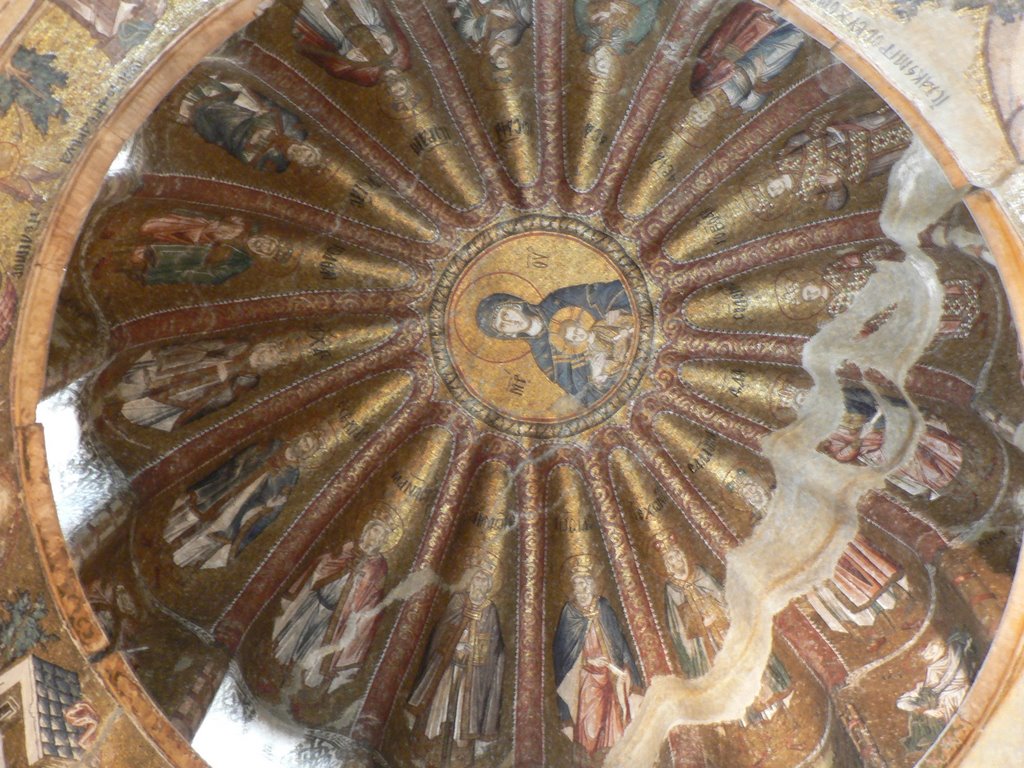
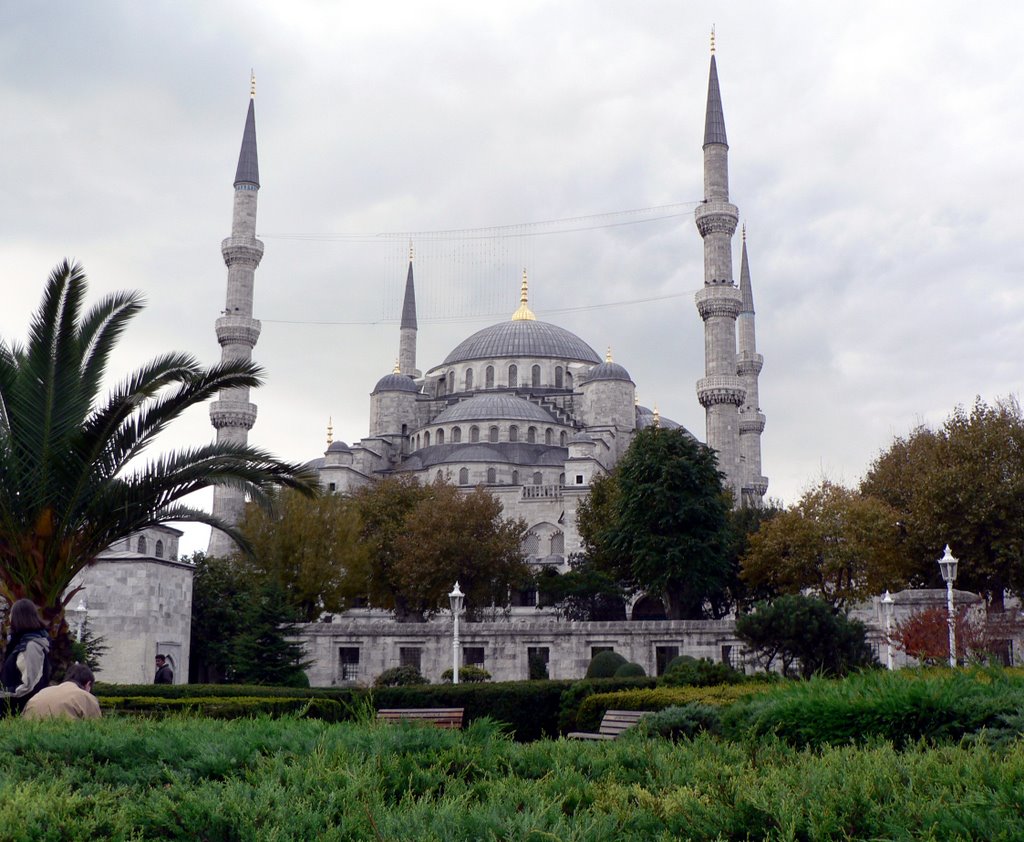
In early November, I took a trip to Istanbul, Turkey. For a week my friend Christy and I explored the city and enjoyed the sites. It is an incredibly beautiful city. Check out my photos to see more.

Click HERE to see more photos from Istanbul

Thursday, November 03, 2005

More photos from Istanbul

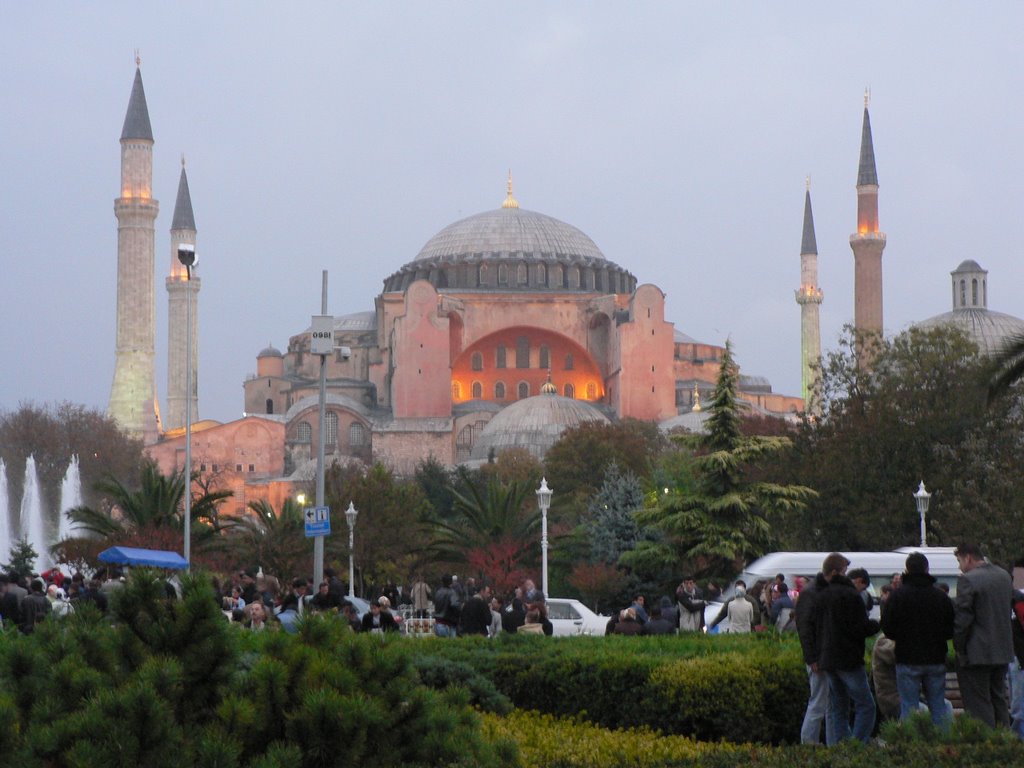
The Blue Mosque
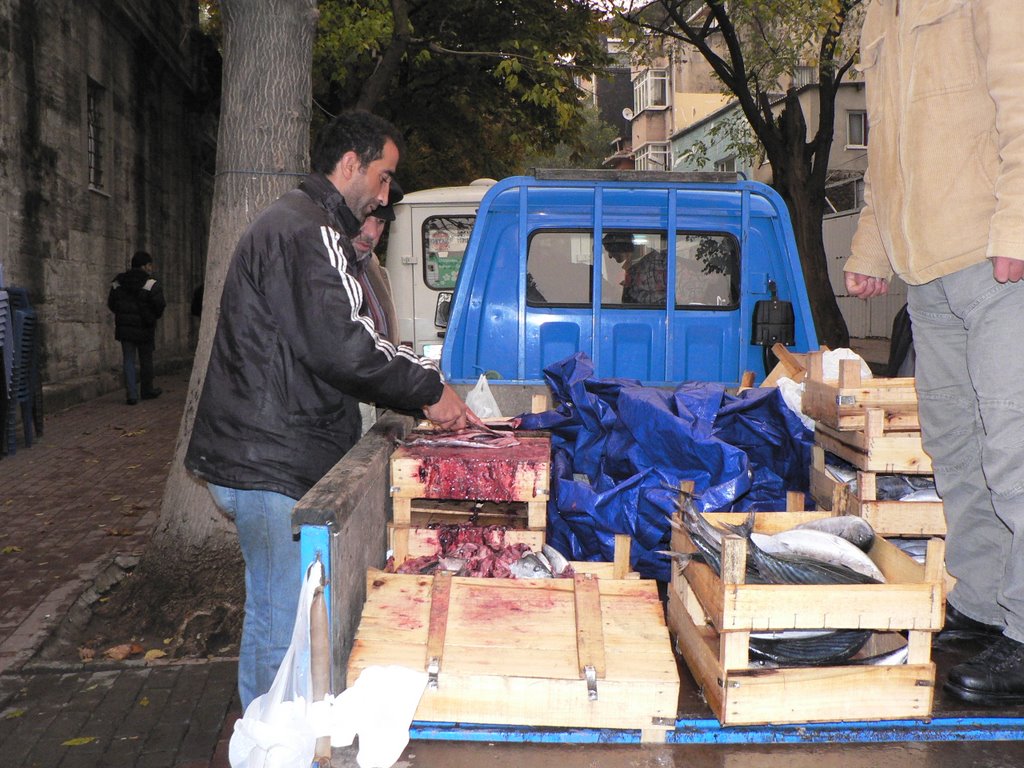
The local fish market

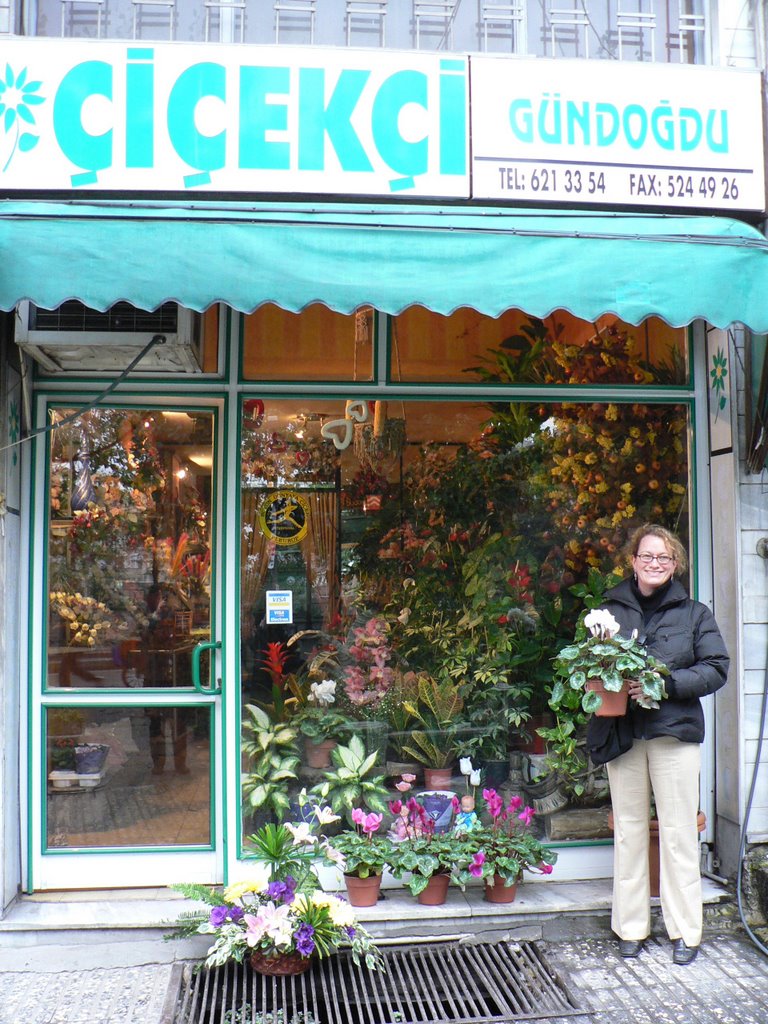
Hey look! Cordelia found a flower shop!
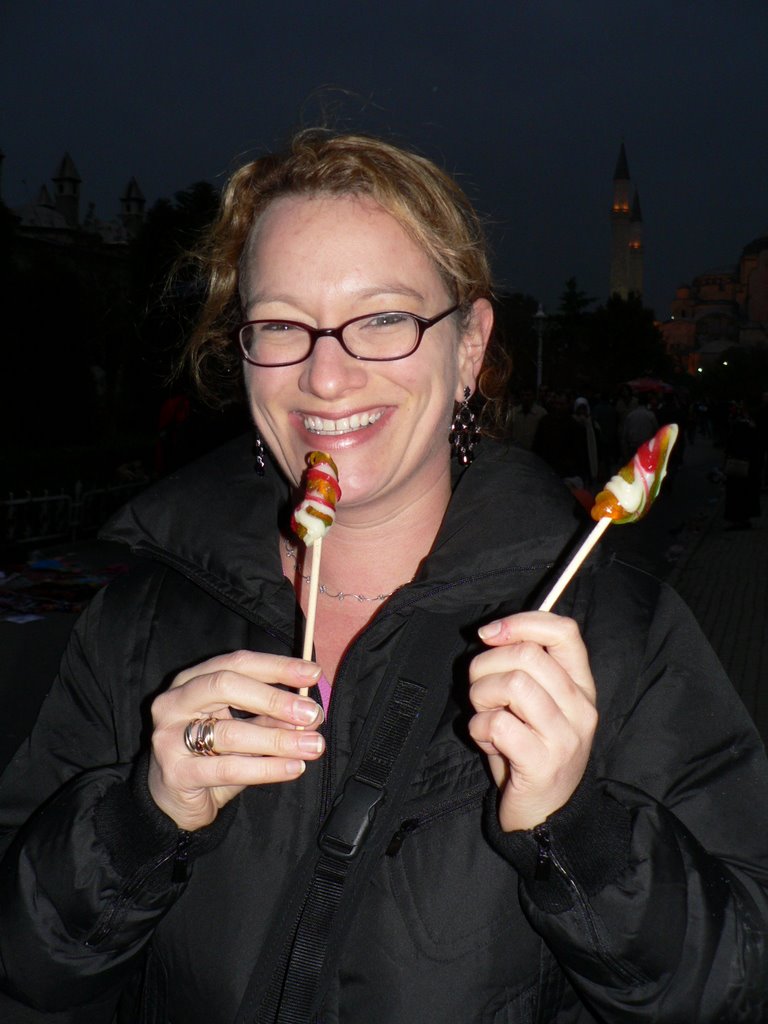
Our first night was a great time to be there. It was the end of Ramandan and everyone celebrates with this yummy fresh candy lollypops.
Wednesday, March 02, 2005

Cuba - March 2005

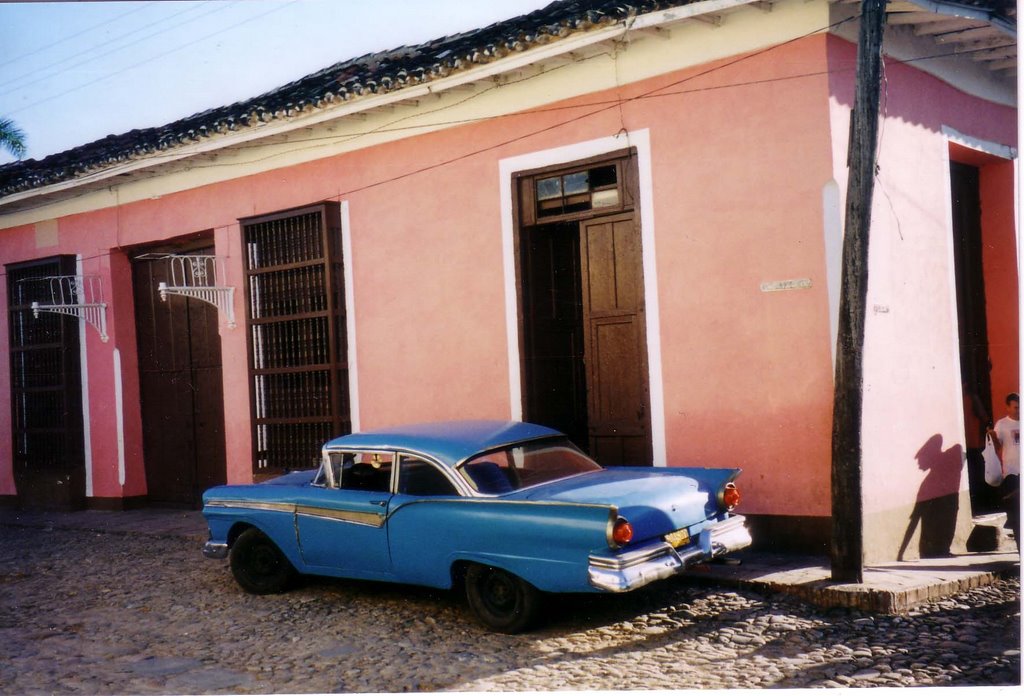
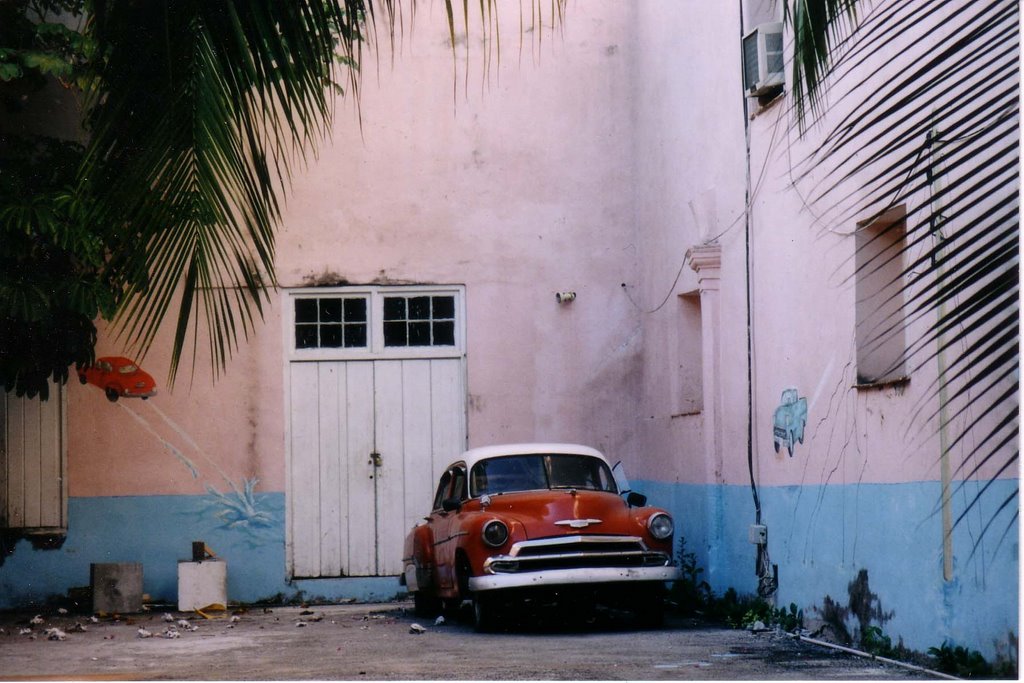
It has been three weeks since I returned from my second trip to Cuba. I’ve been having a hard time putting what I saw onto paper. I know that a few minutes in Plaza Vieja in Old Havana drinking a fresh sweet minty mojito and listening to one of the many Cuban bands that play all over would bring it all rushing back to me. The slow pace, the comfortable feeling, the beauty, the warmth, the history and most importantly those big smiles that radiate out of every person you see. The best I can do though is to pop in the cd from my favorite band there and try to gather my thoughts for you… Cuba is a magical place. It’s both stopped in time and at the same time so very current. It’s got a rainbow multicultural mix of people. Locals could have long blond hair and pale skin, dark black African skin or most commonly dark hair and striking eyes of their Spanish ancestors. The cultural boundaries of racism that keep us separated in the US, seem to be gone there. It’s one of the good byproducts of the Revolution. Although everyone is poor, their style shines through. They are well dressed and well pressed in classy contemporary clothing. Although many people don’t have running water, everyone keeps themselves clean and crisp. Barbershop chairs are a fixture on the sidewalks and they are always filled. Gifts of perfume and sweet smelling soaps are received with bright happy smiles. Cubans ooze confidence, rhythm, dignity, intelligence, strength and overwhelming friendliness. Being there is addictive, because it makes me revel in life too. Somehow there the simple things in life seem so significant, while here in the States they sometimes get lost. All day the streets are filled with Cubans of all races and all ages. They seem to be mastering the most important things in life: enjoying family; chatting with friends; listening to music; dancing; playing checkers with bottle caps on a hand drawn boards; diving into the Atlantic Ocean where it crashes into the Malecon, Havana’s coastal avenue and a huge gathering point for all the locals. Although Cubans don’t have a lot of material goods, they have a lust for life that bursts out of every block and every shady doorway. My mom and I started off in Havana, the stunning, lively capitol city. It is steeped in history and wears it’s 485 years regally. As the jewel of the crown of the Spanish colonial empire, a tremendous amount of money flowed into Cuba. People spared no expense. Marble and wood were ornately carved and polished. Iron gates and railings were designed in the most complex patterns. Windows were adorned with stain glass. Houses resemble palaces. Tourists flock to Havana Vieja (Old Havana) where there are buildings from every architectural period up to the beginning of the 20th century when the upper and middle class moved their lives to the other side of the city. Thereby saving the history by ignoring it. Buildings were left to crumble until one of Fidel Castro’s ministers convinced him to start restoring them one by one. The international community has provided a lot of money and expertise to help the Cubans in this expansive mission. Instead of restoring a whole block at a time, they seem to fix one building on one block and then one on another, so that a deteriorating building stands in contrast to one that looks brand new. They fix more and more buildings so that some blocks have been completely repaired, but I especially like the blocks with contrast. I suspect you have all heard about Cuba’s cars. From what I understand, since the Revolution in 1959, Cubans have not been allowed to buy new cars. If someone owned a car before the Revolution, they were allowed to keep it, which means cars from the 50’s continue to be fixed, painted and polished. We all love our neighbor’s classic car that drives in the local Memorial Day parade. Imagine a whole street filled with them. Some look like they just came out of the show room while others look like they are being held together with crazy glue, rubber bands and bubble gum. All of them, though, are lovely to look at with their gracious curves and bright colors. They add too Cuba’s classy, nostalgic style. Outside of Havana is a whole different world. While Havana feels very bustling and cosmopolitan and almost certainly ranks as my favorite capital city in the world, rural Cuba is the opposite extreme. Its rolling countryside and small towns take me to a whole different world. While last year we headed East out of Havana to sugarcane country, this year we headed to the Western province of Cuba. This province is called Pinar Del Rio and is known as the tobacco growing region. We were there during tobacco harvesting season and the fields were a deep green. While all farming regions are beautiful in their own way again Cuba has something special. Speckling the long horizons and deep green fields are ox carts and horse carriages. With the high cost of oil and the ill effects of the many years of US Embargo, farmers have gone back to the traditional ways of farming. All along the sides of the roads “cowboys” with big straw hats on horseback travel to and from their fields. We kept being reminded of the Marlboro man and all his masculine mystery. One day as the sun was setting just over the hill ahead of us, a man sat on horseback on the horizon totally shadowed by the light behind him. As Americans, the cowboy has such a strong meaning and to see them everywhere is an indefinable thrill. As the biggest island in the Caribbean, Cuba is blessed with beautiful beaches on most of its shores, as well as deep blue seas. So, to top off a cultural and visually stimulating week, we traveled to an island off the Western Coast called Cayo Levisa. A 45 minute boat ride brought us out to an almost deserted island. We were lucky enough to be able to reserve one of the 20 bungalows perched directly on the beach. The sand felt like talcum powder between my toes. The waves lapped the shore and lulled me to sleep. The sun basted my body as I floated in the warm sea. Cayo Levisa has 3 kilometers of abandoned beaches that resemble everyone’s beach fantasy, palm trees, endless ocean skyline, seashells everywhere... And after all with only 40 people on the whole island, it was as if we each had our own private beach. The most interesting part of travel is that it takes me out of my daily routine and changes my perspective on life. Whether its seeing beautiful architecture and people that are so different then the people that live around me, meeting so many people from other countries so that I am able to think about the world around me in wider parameters or seeing people who have so little and being reminded how blessed I have been in life. I feel so lucky to be able to see the world and am constantly looking for my next adventure. I hope all of you will find places in the world that make your heart stir. XOXOX Cordelia
Thursday, November 25, 2004

Laos - November 2004

Hello All!

I am sitting here in an internet cafe in Ventienne, Laos, which is the capital. Sitting beside me is a monk dressed in his saffron robe and bright yellow sash. I'm trying to snoop and see who he is emailing, but I just can't see.

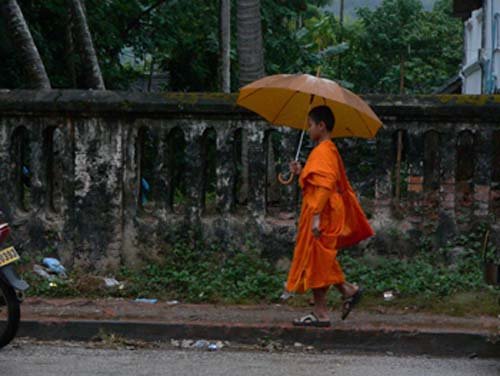
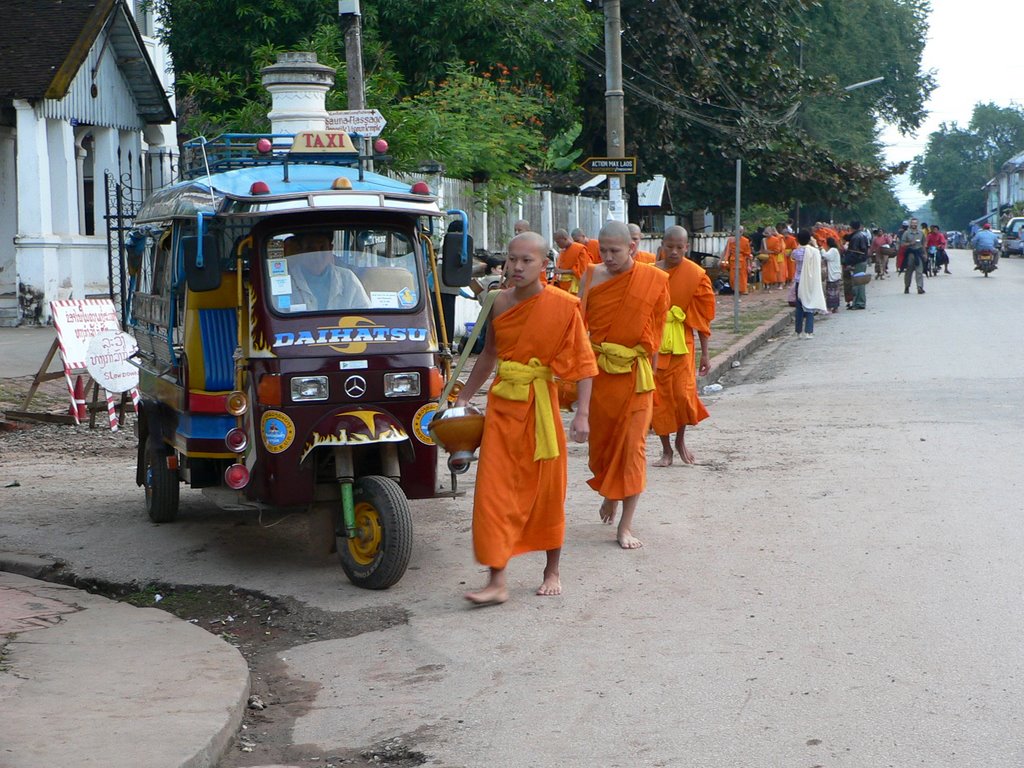
Monks are everywhere here in Laos. I'm beginning to take them and their soft faces and beautiful bright colors for granted... What a wonderful luxury!

All of Laos is a luxurious visual treat.

I arrived through the Northern Thailand border and spent two long days floating down the Mekong river towards Luang Prabang, the historical royal capitol of old Laos.

The boat was rustic to say the least. 40 people we crammed into a freight boat with bare plywood benches for 7 hours the first day and 9 the second. Although at moments when my muscles ached I wondered why I didn't just fly in the end, I couldn't help but feel blessed that I had the time to float in such amazing scenery.

The Mekong is the 12th longest and the 8th most powerful river in the world and its size and strength inspired me. Since Laos is largely undeveloped we saw very few huts on the coast and instead feasted our eyes on mountain ranges covered with lush jungle and limestone cliffs.

At the end of the journey we piled off the boat into Luang Prabang, a magical place filled with historical Buddhist temples and classic French colonial architecture. It is yet another UNESCO world heritage site and their careful restoration of the buildings, temples, sidewalks... makes it a truly special place.

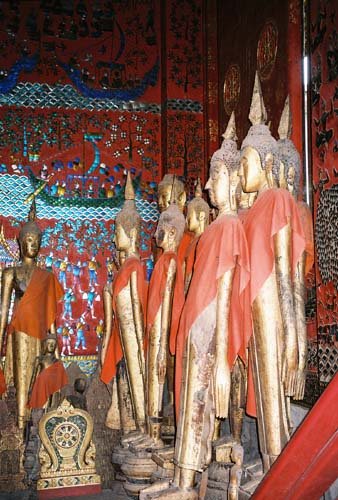
The Buddhist presence is seeping out of every corner and crevice. We were very lucky to arrive at one of the most special times of the year, the first full moon after the rainy season. Monks have had to spend the whole rainy season, 3 months, at their temples and now after the full moon they are able to travel the country again and go home to see their families. This is a reason to celebrate!
Signs of the celebration and of their devout faith were all over:

At 4am on our first morning, we heard the pounding of drums shake our hotel room. I promptly ran outside to see what was going on. We learned that for three days they would beat the drums and ring bells in all the temples at 4am and 4pm.

(I sometimes say that I like to have religion beaten into me and I tell you the deep full sound of these drums did just that!)

The reason I jumped up so quickly is that Luang Prabang is known for a special custom. I knew it was going to happen, but I didn't know when and didn't want to miss it.

Each morning all the monks walk through the town in a precession. The town’s people kneel on the sides of the road and place alms, which are in the form of sticky rice and coconut jelly treats wrapped in banana leaves, into the monk's baskets providing them their food for the day.

Luckily they don't start till 6am so I could go out and watch each morning of my stay. All the monks from all the temples eventually join up on the main street and form a line of about 200 monks. It's a majestic sight!

Luang Prabang has over 35 temples, so most of the activities there are walking (or biking, which we did for two days) and looking and ornate temple after ornate temple.

One afternoon we walked into a temple’s grounds and said hello to a monk. He motioned to us to come up where he was. As we followed all the monks began to go inside the temple. Before we knew it we were invited inside and were kneeling in the back of the temple while 50 monks chanted below the eyes of placid benevolent Buddha.

This was a stunning experience. The sounds shook me and the beauty around me stimulated my senses. The sound of their voices was the most enchanting display of religious faith that I have ever seen.

When the chanting stopped and the teaching began, we felt we should leave them to their private sessions. The funny part though was that five monks followed us out so they could speak with us. While we were speaking, one of them invited us to a nearby temple for a candlelit precession to celebrate the full moon. We had known these celebrations existed around town but couldn't get any information about them in the tourist areas we had been staying so we were very VERY happy to be invited.

As we approached the temple, we could not miss that something was going on. There were lights, games and tables selling food, candy and flowers. There were local people streaming into the grounds. Luckily when we were struggling to figure out what was going on, (What time does it actually start? What’s going to happen? Should we buy candles and flowers? Humm, I'm hungry but what is that stuff they are selling???) our new monk friends popped up to explain that we needed flowers, incense and candles to burn in a candlelight precession where we would walk around the outside of the temple while being serenaded by drums, bells and chants. Our flowers would then be left as a gift to Buddha.

It was so special to be able to be in such a local event. We were able to see the Lao people in their most festive moods and see their teenagers flirt; watch boys hang in groups across the way from the girls; see little kids run around and play... It was just like home.

The other good thing about Luang Prabang is that it’s a very small city (16,000) so everywhere you go you see the same faces. That meant always meeting someone to eat a meal with or discuss the beauty of a temple. We also had our 40 friends from the slow boat that we bumped into at every turn. This small town hospitality made for a very warm experience.

But alas, we couldn't stay there forever! There was a whole country to see! So we hired a car and wound through the high mountains passes on to our next stop, The Plain of Jars.

The Plain of Jars are an archaeological site covering many acres of Northern Laos. Huge carved stone vessels dot the countryside. These urns, some up to 9ft tall, are thought to have been funerary urns used to hold the ashes of deceased nobility. They date back to 500 BC - 500 AD.

This area of Laos was where the "secret war" of 1960-1970 was fought. The US and the Vietnamese fought each other so secretly that in congressional records of the time there is no mention of the name of the country that the fighting is going on in. We were spending over 2 million dollars a day, which makes it the most expensive war in history and it is said that still today this the most heavily bombed part of the world.

Among the Plain of Jars and up on the hillsides, there are massive craters from bombs and the countryside is still charred from Agent Orange and Napalm making it useless for growing anything.

What land there is to farm is also largely unusable because it is covered with unexploded munitions. It is believed that today 25% of the bombs we dropped have not been detonated and lie among the hillsides where the people live.

In fact, our guide had two friends who died a few years ago while trying to transport one of these bombs home to sell for scrap metal.

Remnants of the exploded bombs are everywhere. The bomb casings are used for fences, planters, tables and even a bonfire pit for the guest house we stayed at.

After seeing the area, we were off again...

The terrain:

As I have said before, Laos is a largely undeveloped country. It has a very low density of people which means as you drive you can see miles and miles of untouched mountain ranges. The roads weave around the edges of mountains high in the sky and above the cloud line. The terrain is covered with lush jungle with banana plants, bamboo, palm trees mixed with a sea of other green trees and vines. All the flat areas are covered with rice paddies where giant water buffalos graze.

Along the road lie small villages. People live tiny houses, mostly on stilts, with walls made of straw mats and roofs made of thatch. Pigs, chickens, cows and goats wander through the road and pay no attention to the cars that speed by every once in a while. (Yes, there are very very few cars so these mountain passes are mostly isolated.)

The People:

Laos is one of the 10 poorest countries in the world and its people lead a hard life of subsistence farming. Little children play in the streets and although there is free primary school, it is not evident that everyone gets to them.

Since there are few cars, carts resembling large wheel barrels are pushed along the side of the road piled high with bananas, wood and bamboo. Women walk with both babies and baskets on their backs.

Although the men wear western dress, the women all wear their sins which are always pressed traditional long straight silk skirts with a band of ornate trim at the bottom, sparkling in the light.

Now finally to my last stop, Ventienne, the country's capital where I am today.

Ventienne is a small town nestled in the banks of the Mekong and its very hard to believe that this is the capital, though there is one grand boulevard in pure French style that is lined with large government buildings and a palace on one end that would only exist in a capital city.

Activities here include:

- Drinking Beer Lao (VERY good beer) at sunset at the small food stalls that line the river’s edge, watching fisherman take their boats up and down the river slow throwing nets in to catch whatever is available.

- Going to the history museum and learning about the "American Imperialists and their puppets" during the war and learning about the accomplishments of the communist government here.

- Checking out the morning market, which sprawls for long distances and sells almost anything your heart desires (clothes, jewelry, bicycles, TVs, fabric...) but unlike the market near the Plain of Jars I can't find the food market which there sold parrots, hawks, squirrels, mongooses, frogs, bats and many other unidentified dead animals, a truly disturbing sight to see.

- Walking temple grounds and seeing some of the great Buddhist treasure of Laos.

- Having tradition Lao massages!!!

- And sitting in bars with all the ex-pat aid workers and seeing where business really gets done. 70% percent of Laos budget is from aid money.

Today I say goodbye to Laos. I will spend the next week in the mountains of Northern Thailand at an elephant rescue camp. It will give me a chance to do some good and experience the more rustic side of living here.

My room will be in a treehouse at Elephant Nature Park in Thailand

Soon I will be back in New York and start looking for a job... For now though, I think I'll go get one more slice of watermelon from the bicycle cart that’s ringing it bell outside and try to soak in a little more of Southeast Asia.

Happy Holidays!
Cordelia